What Went Wrong?! (Brisket)

  • Some of the links on this forum allow SMF, at no cost to you, to earn a small commission when you click through and make a purchase. Let me know if you have any questions about this.
SmokingMeatForums.com is reader supported and as an Amazon Associate, we may earn commissions from qualifying purchases.

Sm0ked0ut

Newbie
Original poster
Jun 25, 2018
3
0
Orlando, FL
Tried my hands at Brisket today for the first time. Went with a small 4lb Flat from my grocery store and tried to research as much as I could about small cuts and how to smoke properly and seemed to have messed this one up.

Did all the injecting, let it sit overnight, etc.

Cooked at 275 for about 2.5hrs until it reached about 160 and then wrapped it in foil until it reached 200, then let it rest for 2 hrs.

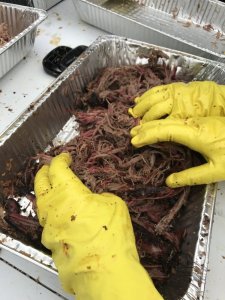
This was my result (pictured). Very tough, barely a smoke ring. What went wrong? Temperature too high? Improper probing? I had my iGrill probe in the side of the meat at the thickest point.

I am determined to figure out how to cook this correctly and not have to buy a 15lb cut to do so!

IMG_0462.jpeg
 
Never go entirely on internal temp. When you probe it, it should go in with no resistance. Sometimes that may be 200 deg or it may be 210 deg. After it probes tender, rest it for a couple hours in a cooler or wrapped in foil and towels.
 
Never go entirely on internal temp. When you probe it, it should go in with no resistance. Sometimes that may be 200 deg or it may be 210 deg. After it probes tender, rest it for a couple hours in a cooler or wrapped in foil and towels.

Should I probe my thermometer for the cook on the side or on the top?
 
I may be wrong, but 275 is technically considered a "roasting" temp. not what we consider a smoking temp. Also myoglobin loses its oxygen retaining ability (the discoloration we call a smoke ring) at 140, if you exceed that temp to quick you don't develop any smoke ring at all. I don't know how to link to it, but I have a post on here about this weekends cook. Part of which was a brisket. 12 hours at 225 to an internal temp of 195 and then into the cooler for two more and finally an hour in the house. Came out with about 1/4 smoke ring.

A lot of this is trial and error, more error for some of us, but don't give up. Learning your cooker is a big part of that, pellet, gas, wood, whatever, they all run different, the trick is to figure it out without going broke in the process. Good luck and keep trying, I learn something new every time I cook. ( or try to )
 
When it's probe tender, it will be like butter no matter where you insert the probe. That small of a chunk may dry out before probing tender. You need some fat and connective tissue to render for the moistness.

Mike
 
  • Like
Reactions: SlickRockStones
smokedout smokedout At one time I swore I would never cook a small brisket again for just the reasons you listed above. I never inject anymore and my stick burners cook pretty hot at around the temp you smoked yours at.
A while back, the wife was shopping and brought home a 6 pound brisket, so I had to rethink how I had been cooking them. This one had a thin layer of fat, so I cleaned it up a bit and did my usual salt and pepper only rub and into the smoker it went. At the stall, I pulled it and put it on a rack in a disposable aluminum pan with some brewed coffee and beef base for moisture. when it hit 200°, it still did not probe tender and the fat had not dissolved like it should, so the meat was dry like yours. I was certain I had failed on yet another small brisket, but at this point with nothing to loose, I re wrapped it and stuck it in the pellet smoker at 200° for two more hours. Amazingly, it now probed tender and was quite moist from the fat finally rendering into the meat! I rested it for a couple of hours and it was among the best briskets I have ever cooked!
One could put them in a 200° oven to accomplish the same thing, but rather than heat up the kitchen I opted for the pellet grill. I will not shy away from small briskets again and will continue to use the newly discovered method to cook them.

Good luck in your future cooks and don't be afraid to experiment until you get the results you are after.
 
  • Like
Reactions: tumbleweed1
Yeah pretty much what radio said. Internal temp for me is just a guideline for when to start checking. The feel of the meat as I probe is what really matters. I mean think about it... you are literally just feeling how tender it is when you probe it. If it’s not where you want it, keep cooking but when it’s tender pull it off.

Undercooked brisket is dry and tough, perfectly cooked is juicy and tender, over cooked is dry and tender. I check every 30 minutes as there is a fine line between each once I hit my target internal. Once you get the hang of it you will be consistently hitting your mark. Pulled brisket is a bit tougher to judge when it’s pullable. I shoot for 210 deg and instead of probing like butter it should probe like air lol this is my pulled brisket for an event I did over the weekend
 

Attachments

  • 8DB568BD-8404-422E-B547-4230219AA8E6.jpeg
    8DB568BD-8404-422E-B547-4230219AA8E6.jpeg
    149.6 KB · Views: 44
My approach is, when you have a small flat like that.
I smoke it in a pan sitting in French onion soup.
They always come out tender & juicy & you have a nice Au Jus too!
Al
 
  • Like
Reactions: sauced
Probe tender in the thickest part of the flat.
For wrapping...when I have desired bark I like butcher paper.

Edit: Small flats are sometimes a little less forgiving...Stick with it...with brisket you have to have patience.
 
Last edited:
  • Like
Reactions: BKING!
Pretty much what others have said, you didn't show up before pics but based on after, I am guessing that is one of those grocery store trimmed to death flats. I hate it when I see a brisket in store and all you see is red meat!

Radio's post is very eye opening, and I have got to try that sometime, once you get to 200+ and it seems dry and tough, it takes some guts to just keep on cooking!

Al, French onion soup in pay sounds good. If I understand you correctly you don't have a rack in the pan and the brisket is setting in the soup? Are you still getting a bark on top?
 
  • Like
Reactions: radio
Pretty much what others have said, you didn't show up before pics but based on after, I am guessing that is one of those grocery store trimmed to death flats. I hate it when I see a brisket in store and all you see is red meat!

Radio's post is very eye opening, and I have got to try that sometime, once you get to 200+ and it seems dry and tough, it takes some guts to just keep on cooking!

Al, French onion soup in pay sounds good. If I understand you correctly you don't have a rack in the pan and the brisket is setting in the soup? Are you still getting a bark on top?

when I peeked at it, I saw the fat had not broken down and even though it was "done" internal temp wise, it was dry and tough. Lowering the cooking temp to 200° for 2 hours broke down the fat and into the meat. A 2 hour rest also helped. Some of you may recall a couple of rants I have posted about hating small briskets and promising to never cook another, but when the wife brings one home you do what you gotta do!:D
 
Lookn4U's comment on "trial and error" is dead on with brisket. The nice thing about the errors, they make great chili that doesn't take all day! I've eaten a lot of chili.

A 4 lb flat and a 15 lb packer, though both briskets, are two entirely different beasts when it comes to smoking/cooking/roasting/braising. Personally, I'll smoke brisket points and packers, but stay away from just the brisket flat. If smoking only a flat, use Al and Bear's advice about a wrapped pan with a little liquid. Don't worry about bark or a smoke ring. When learning brisket, figure out tenderness first, then focus on the aesthetics.

Definitely don't go by IT alone. Use IT as a guideline when to start probing for tenderness. That probe slipping in with no resistance is your key indicator. It may not probe tender until you are 5-10 degrees above your target. You can poke right through the wrapping. Don't worry about the little holes.

Briskets can be smoked/cooked/roasted/braised at high temps, but you run the risk of getting something that tastes like pot roast if you don't catch the tender point just right.

Smoking a packer evens out the issues with brisket, but don't make the mistake of putting the temp probe in the thickest part of the packer. You'll be sticking it in the point. Points are full of fat and VERY forgiving. I consider points as forgiving as a pork butt. Temp probes should go in the thickest part of the flat, just make sure the tip is in meat and not a fat seam.

When probing for tenderness, the point will probe butter tender 15-20 degrees IT before the flat, but that doesn't mean it is ready. When the flat probes butter tender, the whole packer is done.
 
SmokingMeatForums.com is reader supported and as an Amazon Associate, we may earn commissions from qualifying purchases.
Clicky