One of the most powerful tools in sourdough baking isn’t a special flour or expensive equipment.
It’s understanding feeding ratios.
If you’ve ever seen 1:1:1 or 1:2:2 and felt confused, you’re not alone. Let’s break it down in a simple, practical way so you can confidently choose what works for your kitchen.
First, what do these numbers mean?
They represent the ratio of:
Starter : Flour : Water
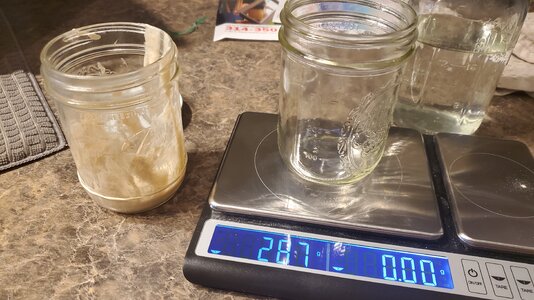
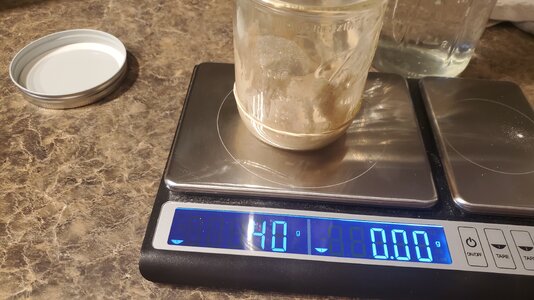
So when you feed 1:1:1, you are giving equal parts starter, flour, and water (by weight).
When you feed 1:2:2, you are giving one part starter and double the amount of flour and water.
That small shift makes a big difference in fermentation speed.
Let’s talk about 1:1:1.
This ratio gives your starter a smaller “meal.” Because there’s less fresh flour available relative to the amount of active yeast and bacteria, it eats through the food quickly. That means:
• It peaks faster
• It becomes active sooner
• It also collapses sooner
• It requires more frequent feeding
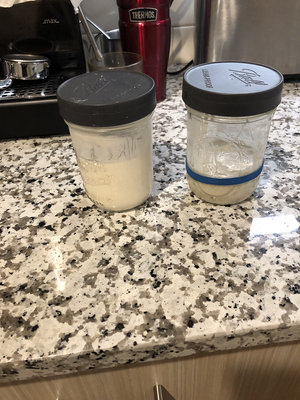
In a warm kitchen, a 1:1:1 feeding can peak in just a few hours. This ratio is great when you want quick activity — for example, when preparing to bake the same day.
Now let’s look at 1:2:2.
Here, you’re giving the same amount of starter a larger supply of food. The microorganisms have more flour to ferment, so the process stretches out longer. That means:
• It peaks more slowly
• It stays at peak longer
• It doesn’t need feeding as often
This ratio is especially helpful in warmer climates or busy schedules. If your starter tends to peak and collapse before you’re ready to bake, increasing the feeding ratio can stabilize it.
So which one should you use?
It depends on three main factors:
Room temperature – Warmer environments speed up fermentation.
Your schedule – Do you need it ready quickly, or do you need it to last longer?
Starter strength – A mature, strong starter handles larger feedings well.
There is no “better” ratio — only the one that fits your timing and environment.
Think of feeding ratios as a control dial. If your starter is racing ahead of you, increase the ratio. If it feels sluggish and you need faster activity, reduce it.
When you understand this, sourdough stops feeling unpredictable. You’re no longer reacting — you’re adjusting intentionally.
The goal is not just feeding your starter.
The goal is learning how to manage fermentation with confidence.
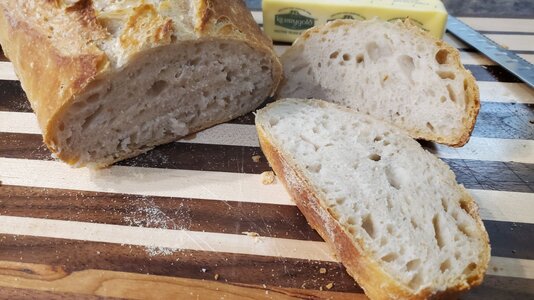
Once you master ratios, everything becomes more consistent — and your baking becomes far more reliable.

It’s understanding feeding ratios.
If you’ve ever seen 1:1:1 or 1:2:2 and felt confused, you’re not alone. Let’s break it down in a simple, practical way so you can confidently choose what works for your kitchen.
First, what do these numbers mean?
They represent the ratio of:
Starter : Flour : Water
So when you feed 1:1:1, you are giving equal parts starter, flour, and water (by weight).
When you feed 1:2:2, you are giving one part starter and double the amount of flour and water.
That small shift makes a big difference in fermentation speed.
Let’s talk about 1:1:1.
This ratio gives your starter a smaller “meal.” Because there’s less fresh flour available relative to the amount of active yeast and bacteria, it eats through the food quickly. That means:
• It peaks faster
• It becomes active sooner
• It also collapses sooner
• It requires more frequent feeding
In a warm kitchen, a 1:1:1 feeding can peak in just a few hours. This ratio is great when you want quick activity — for example, when preparing to bake the same day.
Now let’s look at 1:2:2.
Here, you’re giving the same amount of starter a larger supply of food. The microorganisms have more flour to ferment, so the process stretches out longer. That means:
• It peaks more slowly
• It stays at peak longer
• It doesn’t need feeding as often
This ratio is especially helpful in warmer climates or busy schedules. If your starter tends to peak and collapse before you’re ready to bake, increasing the feeding ratio can stabilize it.
So which one should you use?
It depends on three main factors:
Room temperature – Warmer environments speed up fermentation.
Your schedule – Do you need it ready quickly, or do you need it to last longer?
Starter strength – A mature, strong starter handles larger feedings well.
There is no “better” ratio — only the one that fits your timing and environment.
Think of feeding ratios as a control dial. If your starter is racing ahead of you, increase the ratio. If it feels sluggish and you need faster activity, reduce it.
When you understand this, sourdough stops feeling unpredictable. You’re no longer reacting — you’re adjusting intentionally.
The goal is not just feeding your starter.
The goal is learning how to manage fermentation with confidence.
Once you master ratios, everything becomes more consistent — and your baking becomes far more reliable.