Some of the links on this forum allow SMF, at no cost to you, to earn a small commission when you click through and make a purchase. Let me know if you have any questions about this.
You are using an out of date browser. It may not display this or other websites correctly. You should upgrade or use an alternative browser.
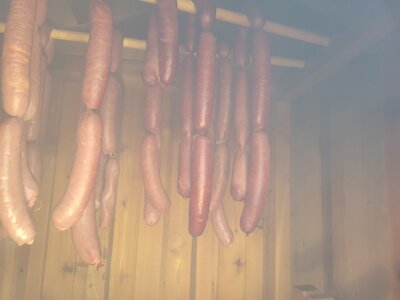
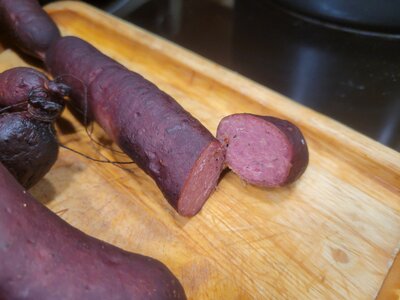
the first smoke with primarily elk was good. However the second smoke with more of 335ek 33%oirk but and 33%pork belly has a more acidric after taste from the smoke. so I am beginning to think I need to flip the chimney 180 since right now it is over top of the side of the smokehouse that the meat drying sticks are on. Or do you think I need to make it also a larger chimney?
You have a huge top vent (if you leave it wide open).
I'm thinking you had a lot of smoldering wood in the fire and got a dirty smoke.
Look for a very small hot fire add wood chunks for some thin blue smoke.
What temps did your smokehouse run during the smoking?
i started at 120 for the first hour then up to 150 for 1 hour and then up to 165 to finish it off. Will try another burn and make it small and more open for the front door to get better combustion instead of just the side vents for the woodstove. I had the vent open only half-way though
Your exhaust size is fine until you cover with the shingle. Could you raise that shingle? To allow more flow?
With cherry wood you should get a nice amber to red color on the meat. That dark meat color is clear indication of lack of air flow on exhaust. Get your air flow positive then worry about fire management.
hmm, even though the smoke in the chamber was intense this second time. I will try a burn next weekend without meat and see what works. I can slide the shingle back and forth to set how much of the vent is open at a time.
Some of the magic of smoke requires it to mix well with fresh air. To smoke quality meats you need good airflow. Air that doesn’t exchange well becomes stale and the smoke acrid. To much airflow and you can over dry the meats. Smoking requires balance in heat, smoke and airflow. Start by getting good airflow then move to fire management. You would be surprised how little smoke volume is actually needed to produce high quality meats.
This site uses cookies to help personalise content, tailor your experience and to keep you logged in if you register.
By continuing to use this site, you are consenting to our use of cookies.